The Real Cost of Retooling Your Laundromat: Machinery vs. Utilities
I was on the phone last week with a laundromat owner from Ohio, a guy named Bill. He’s owned his place for 15 years, and he was wrestling with a big decision. His old top-load washers, the workhorses he’d had since day one, were starting to cost him a fortune in repairs. He knew he needed to upgrade, but the price tag on a full set of new high-efficiency machines was giving him sticker shock. "Craig," he said, "I know I’m losing money on utilities and repairs, but dropping $100,000 on new equipment feels like a massive gamble. How do I know it’ll pay off?"
Bill’s question is one I hear all the time. It’s the classic business dilemma: spend money to make money. When it comes to retooling a laundromat, the upfront cost of machinery is only half the story. The other, more important half is the long-term savings on utilities. Let’s break down the real costs and the return on investment (ROI) to see when it makes sense to take the plunge.
The Upfront Cost of New Machines
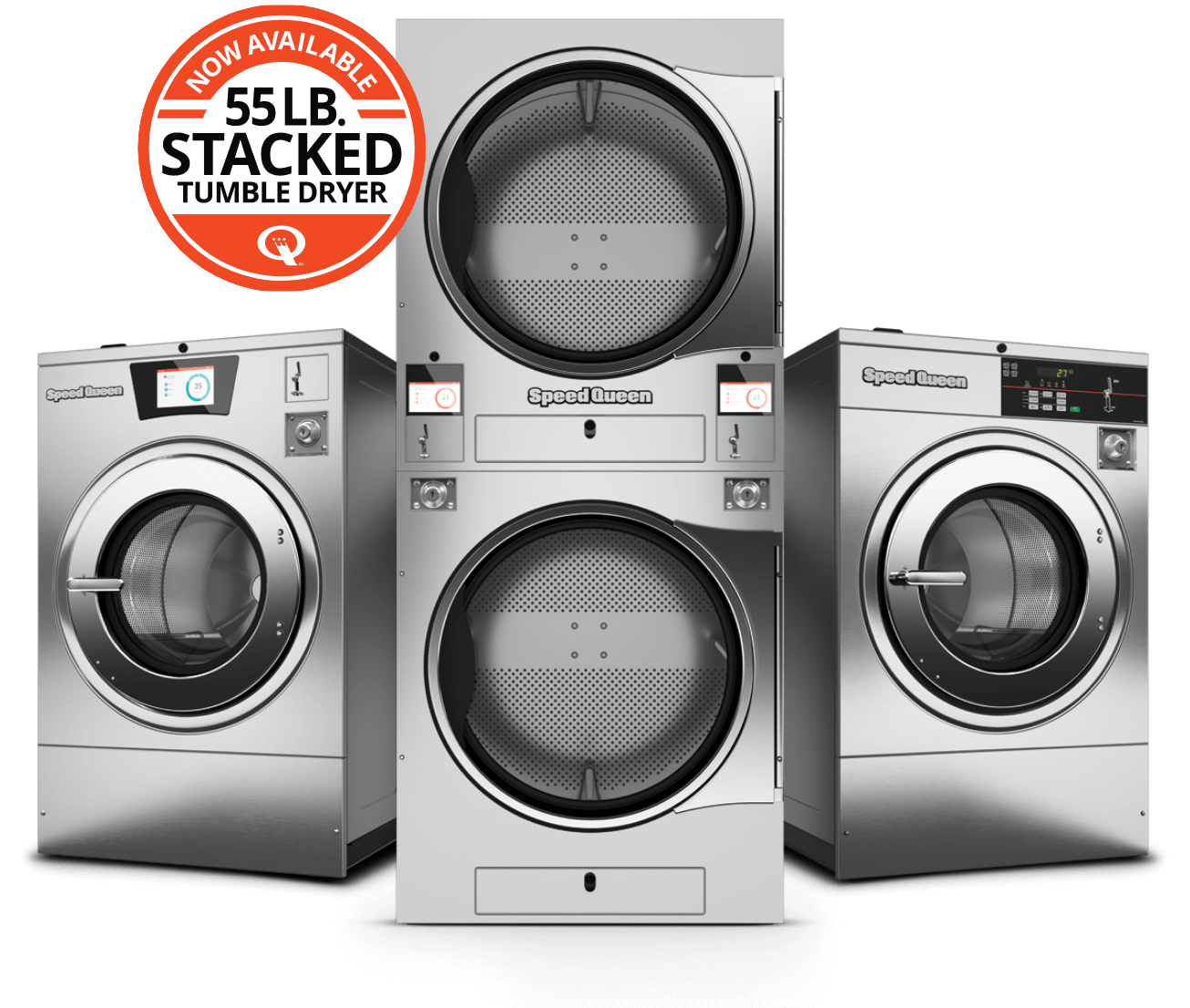
First, let’s get the scary numbers out of the way. The cost of new commercial laundry equipment can vary widely depending on the brand, size, and features. You’ve got reliable names like Speed Queen, Maytag, Dexter, and Electrolux, and each has its own price range.
For high-efficiency front-load washers, you can expect to pay anywhere from $3,500 to $7,000 per machine. Some smaller or less advanced models might be closer to $2,000, while the big, feature-rich machines can climb even higher. For a standard 20-washer laundromat, you’re looking at an investment of $70,000 to $140,000 just for the washers.
Commercial dryers have a similar range. A good quality commercial dryer will typically cost between $2,500 and $6,000 per unit. So, for a 20-dryer setup, that’s another $50,000 to $120,000. All in, a full retool can easily be a six-figure investment.
These numbers can feel daunting, but it’s crucial to see them not as an expense, but as an investment in your business’s future profitability.
The ROI: How New Machines Pay for Themselves
This is where the magic happens. Those expensive new machines are incredibly efficient, and that efficiency translates directly into lower utility bills. This is the part of the equation that often gets overlooked when owners are staring at the initial price tag.
Water Savings: Old top-load washers are water hogs. They can use 30-40 gallons of water per load. In contrast, new high-efficiency front-load machines use as little as 15-20 gallons. That’s a water reduction of 30-50%. If your laundromat does 100 loads a day, you could be saving over 2,000 gallons of water every single day. Over a year, that’s over 730,000 gallons. Depending on your local water rates, that can add up to thousands, or even tens of thousands, of dollars in savings annually.
Gas & Electric Savings: The savings don’t stop with water. High-efficiency washers have higher G-force extraction, meaning they spin more water out of the clothes. This drastically reduces drying time. Shorter drying times mean less gas or electricity used. Some estimates show that new dryers can be 20-30% more efficient than older models. When you combine that with the reduced drying time from better washers, your energy savings can be substantial.
Let’s put it all together with a real-world example. Say you replace 20 old washers with new high-efficiency models. You might spend $100,000 on the equipment. But if you’re saving $1,500 a month on water and another $1,000 a month on gas and electricity, that’s $2,500 in monthly savings, or $30,000 a year. In this scenario, the payback period for your investment is just over three years. After that, it’s pure profit. And that’s not even counting the increased revenue from happier customers who love the new machines and the faster service.
Financing Your Retool
Of course, not everyone has $100,000 sitting in the bank. The good news is, you don’t need to. There are several financing options available to help you fund your retool.
Equipment Leasing: Many equipment distributors offer financing and leasing options. This allows you to get the new machines you need with a lower upfront cost and predictable monthly payments. The interest rates can be higher than a traditional loan, but it’s a great way to get the equipment in your store and start generating savings right away.
SBA Loans: The U.S. Small Business Administration (SBA) offers several loan programs that are perfect for laundromat owners. The SBA 7(a) loan is the most popular, offering up to $5 million in financing that can be used for equipment purchases, renovations, and working capital. These loans often have favorable terms and lower interest rates, making them an excellent choice for a major retool project.
When Does It Make Sense to Retool?
So, how do you know if it’s the right time to retool? Here are a few key indicators:
- Your repair bills are climbing. If you’re constantly calling a technician and your old machines are frequently out of order, it’s a sign that they’re at the end of their life.
- Your utility bills are through the roof. If you’re paying a fortune for water, gas, and electricity, new machines will provide immediate relief.
- Your customers are complaining. If your customers are frustrated with old, slow, or ineffective machines, they’ll eventually go elsewhere. New equipment is a powerful marketing tool.
- You want to increase your revenue. New, larger machines can handle bigger loads, which means you can charge more per cycle. Faster cycle times also mean more turns per day, increasing your overall revenue potential.
For my friend Bill in Ohio, the math was clear. The monthly savings on utilities and repairs would more than cover the payments on a new equipment loan. He was leaving money on the table every single day he kept his old machines running. It’s a big step, but retooling is one of the smartest investments a laundromat owner can make to secure their long-term success.
How NexLvel Helps
Making these big financial decisions is tough, and it’s easy to feel like you’re on your own. That’s why I built NexLvel.com. It’s a community for business owners just like you, where you can get the support and information you need to make the right calls.
At NexLvel, you’ll find:
- AI-powered answers 24/7: Have a question about financing, equipment, or marketing? Our chatbot is always on and ready to help.
- Expert videos from real operators: Learn from people who have been in your shoes and successfully grown their businesses.
- Live webinars with Q&A: Get your questions answered in real-time by industry experts.
Don’t let uncertainty hold you back. Go to NexLvel.com — a business help community built by a real business owner to help others succeed.
By Craig Renard, YourBizRep.com
Disclaimer: This article is written by Craig Renard, YourBizRep.com based on decades of real-world business experience. Stories and examples are composites drawn from working with hundreds of businesses and may not represent any single individual or company. This content is for educational purposes only and does not constitute professional advice. See our full disclaimer.
Related Articles
Related Industry News
Top 4 Cash Flow Problems in Small Businesses (and How to Fix Them)
This article outlines four common cash flow problems that small businesses face and provides actionable solutions for each. The strategies include streamlining customer payments through digital invoicing, negotiating better payment terms with suppliers, controlling costs strategically, and planning for large investments with cash forecasting.
A Cash Flow Perspective on the Small Business Sector
This report from the JPMorgan Chase Institute provides a deep dive into the financial lives of U.S. small businesses, using data from over a million business bank accounts. It highlights the importance of revenue generation and growth, the challenges of irregular cash flows and limited liquidity, and the differences in financial outcomes based on owner demographics and location.
14 pricing strategies for small businesses in 2026
This article from QuickBooks details 14 different pricing strategies that small businesses can use to set prices for their products and services. It explains each strategy, including penetration pricing, value-based pricing, price skimming, and cost-plus pricing, and provides guidance on when to use each one.
Financial Literacy Resources for America’s Small Businesses
This blog post from the SBA highlights several free resources available to small business owners to improve their financial literacy. These resources include Small Business Development Centers (SBDCs), SCORE business mentors, the SBA's online business guide, and the MySBA Learning platform.
Paying Yourself
This page from the IRS explains how business owners should pay themselves based on their business structure. It covers topics such as corporate officers as employees, dividend distributions, shareholder loans, reasonable compensation, and the difference between paying partners and employees.
Summaries written by NexLvel editorial staff. Original articles are the property of their respective publishers.
Get Weekly Business Insights
Join thousands of business owners getting actionable strategies from Craig Renard and the NexLvel expert network. No spam, unsubscribe anytime.
By subscribing you agree to receive emails from NexLvel. Unsubscribe anytime.
Want Expert Help With This?
Join the Finance & Profit solution center for free expert videos, live webinars, and community support.
Explore Solution Center