How to Buy a Car Wash and Scale It
A few weeks ago, I was having coffee with a guy named Mike, a sharp mechanic who’s owned his own auto repair shop for 15 years. He’s successful, but he’s tired of the grind. He’s tired of trading his time for money, of dealing with flaky employees, of the constant stress of chasing the next repair job. He’s looking for a business with more predictable, recurring revenue, something that can run without him having to be there 24/7. He’d been kicking around the idea of buying a car wash, but he was stuck in analysis paralysis. “Craig,” he said, “I see the potential, but I don’t know where to start. How do I know I’m not buying a lemon? I don’t want to trade one headache for another.”
I get it. A car wash can be a fantastic investment, a real cash-flow machine if you do it right. But it can also be a money pit if you don’t know what you’re doing. I’ve seen it happen. So, I walked Mike through the same advice I’m about to give you. If you’re thinking about getting into the car wash game, here’s what you need to know.
The Different Flavors of Car Washes
First things first, not all car washes are created equal. You’ve got a few main types, each with its own price tag and profit potential. Let's break them down.
-
Self-Serve: These are the most affordable to get into, typically running from $100,000 to $250,000. You provide the space and the equipment—pressure washers, foaming brushes, vacuums—and customers do the work. It’s a hands-on model, but it can generate a steady income, often around $41,000 a year per bay. The beauty of self-serve is the low labor cost, but you're also dealing with more wear and tear from customers who might not treat your equipment with the same care you would.
-
In-Bay Automatic: This is a step up, where the customer drives into a bay and a machine does the washing. The initial investment is higher, usually between $250,000 and $700,000. But with the ability to wash around 20,000 cars a year, you’re looking at profits in the neighborhood of $86,531 annually. These are a good middle ground, offering a more automated experience for the customer and higher revenue for you. The downside is that the equipment is more complex and expensive to maintain.
-
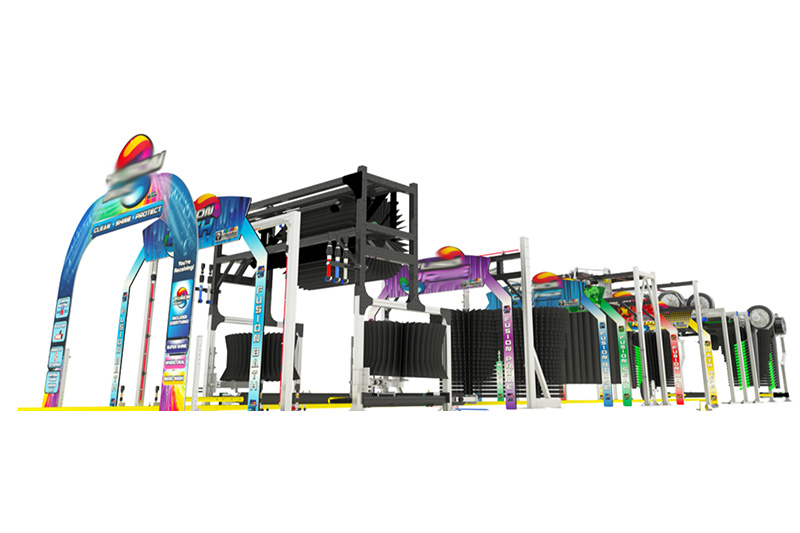
Tunnel/Conveyor: This is the big leagues. Customers drive onto a conveyor belt that pulls their car through a tunnel of brushes, sprayers, and dryers. It’s the most expensive option, with costs starting at $1 million and going up to $3 million or more. But the payoff can be huge, with some tunnel washes clearing over $500,000 in annual profit. These are high-volume businesses, and they require a larger piece of real estate and more staff to manage. But if you can get the formula right, a tunnel wash can be a license to print money.
The Nitty-Gritty of Due Diligence
Now, let’s talk about how to avoid buying that lemon Mike was so worried about. Due diligence is your best friend here. It’s the homework you do before you sign on the dotted line, and it’s non-negotiable. This is where you put on your detective hat and dig into the details.
-
Financial Deep Dive: Get your hands on the last three to five years of financial statements, tax returns, and utility bills. You want to see a consistent track record of profitability. Don’t just take the seller’s word for it; verify everything. Look for trends. Is revenue growing or declining? Are expenses in line with industry averages? Calculate the cap rate to understand your potential return on investment. A good rule of thumb is to look for a cap rate of 10% or higher.
-
Equipment Inspection: Car wash equipment is expensive, so you need to know what you’re getting. Hire a professional to inspect everything – the wash system, the water reclamation unit, the payment kiosks, the vacuums, everything. Find out the age and condition of the equipment and factor in any potential repair or replacement costs. A new tunnel wash system can cost upwards of $500,000, so you don’t want any surprises here.
-
Location, Location, Location: You can have the best car wash in the world, but if it’s in the wrong spot, you’re going to struggle. Look for high-traffic areas with good visibility and easy access. Check out the competition. Is the market already saturated, or is there room for another player? Also, look at the demographics of the area. Are there enough car owners to support your business? A good location is worth its weight in gold.
The Membership Revolution
One of the biggest game-changers in the car wash industry has been the rise of the subscription model. Instead of paying for a single wash, customers pay a monthly fee for unlimited washes. This is a win-win. You get predictable, recurring revenue, and your customers get a clean car whenever they want.
If you’re buying a car wash that doesn’t have a membership program, you should seriously consider adding one. It’s a powerful way to build a loyal customer base and smooth out the seasonal ups and downs of the business. Think about it: a customer who pays $30 a month for unlimited washes is giving you $360 a year, whether they wash their car once or 20 times. That’s the power of recurring revenue.
From One to Many: Scaling Your Car Wash Empire
Once you’ve got one successful car wash under your belt, the natural next step is to think about scaling. How do you go from one location to a multi-unit operation? The key is to create systems and processes that you can replicate.
Document everything, from your opening and closing procedures to your marketing and customer service strategies. This will make it much easier to train new employees and ensure a consistent customer experience across all your locations. And when you’re ready to expand, you’ll have a proven playbook to follow. Look for new locations that have similar demographics and traffic patterns to your successful one. Don't be afraid to expand into new markets, but do your homework first.
Financing Your Car Wash Dream
So, how do you pay for all this? Unless you’re sitting on a pile of cash, you’re going to need financing. Here are a few options to explore:
-
Traditional Business Loans: Banks and credit unions are a good place to start. You’ll typically need a down payment of 10-25% and a solid business plan. Lenders will want to see that you've done your homework and that you have a clear plan for how you're going to make the business successful.
-
SBA Loans: The Small Business Administration offers government-backed loans with favorable terms, including lower down payments and longer repayment periods. These can be a great option for first-time business buyers.
-
Seller Financing: In some cases, the seller may be willing to finance the deal themselves. This can be a good option if you’re having trouble securing a traditional loan. It also shows that the seller has confidence in the future of the business.
How NexLvel Helps
Feeling overwhelmed? You don’t have to go it alone. At NexLvel.com, we’ve built a community of business owners who are all in the trenches together, sharing their knowledge and experience. Here’s how we can help you on your car wash journey:
-
AI-Powered Answers 24/7: Got a question at 2 a.m.? Our AI-powered chatbot is always on, ready to give you the information you need.
-
Expert Videos from Real Operators: Learn from people who have been there and done that. Our library of expert videos is packed with practical advice from real car wash owners.
-
Live Webinars with Q&A: Get your questions answered in real-time during our live webinars with industry experts.
Go to NexLvel.com — a business help community built by a real business owner to help others succeed.
By Craig Renard, YourBizRep.com
Disclaimer: This article is written by Craig Renard, YourBizRep.com based on decades of real-world business experience. Stories and examples are composites drawn from working with hundreds of businesses and may not represent any single individual or company. This content is for educational purposes only and does not constitute professional advice. See our full disclaimer.
Related Articles
Related Industry News
Close or sell your business
This comprehensive guide from the SBA outlines the necessary steps for business owners considering either closing or selling their business. It covers everything from the initial decision-making process and filing dissolution documents to valuing the business, creating a sales agreement, and transferring ownership. The article also touches on more complex situations like bankruptcy and liquidation.
How to Create an Exit Strategy for Your Business
This article from the U.S. Chamber of Commerce emphasizes the importance of planning an exit strategy early on. It details different exit paths, such as selling to cash-flow buyers, competitors, or strategic buyers, and explains how to prepare for each. The piece also highlights the significance of delegating responsibilities to ensure the business can run independently of the owner, a key factor for attracting buyers.
How to Sell Your Business Quickly and Avoid Common Pitfalls
This article provides a detailed, seven-step guide to selling a business efficiently while avoiding common mistakes. It covers creating a transition plan, streamlining operations, getting a formal valuation, preparing marketing materials, and negotiating the final deal. The author stresses the importance of understanding one's own motivations for selling and being fully committed to the process.
Determining Your Business’s Market Value
This article from The Hartford provides a concise overview of various methods for determining a business's market value. It explains asset-based valuation, revenue-based valuation, earnings multiples, and discounted cash-flow analysis. The article also advises going beyond financial formulas to consider factors like geographic location and strategic value to potential acquirers.
A Guide to Employee Ownership for Very Small Businesses
This guide from the NCEO explores various employee ownership models for small businesses with fewer than 20 employees. It discusses the pros and cons of partnerships, LLCs, and corporations, as well as tax-advantaged structures like Employee Stock Ownership Plans (ESOPs) and worker cooperatives. The article helps small business owners understand the different legal and financial implications of each option.
Summaries written by NexLvel editorial staff. Original articles are the property of their respective publishers.
Get Weekly Business Insights
Join thousands of business owners getting actionable strategies from Craig Renard and the NexLvel expert network. No spam, unsubscribe anytime.
By subscribing you agree to receive emails from NexLvel. Unsubscribe anytime.
Want Expert Help With This?
Join the Exit, Valuation & Brokerage solution center for free expert videos, live webinars, and community support.
Explore Solution Center